Automattic engineers gathered in our NYC office this month for our inaugural AI enablement program. 50+ people, two weeks of immersion. Partners like Cursor and Anthropic stopped by. Daily demos. Spec-driven development workshops. A lot of building.
Walking into that office and seeing the energy of people working with AI was remarkable. In-person remains a serious accelerator, especially for distributed teams. The collision of ideas, the spontaneous demos, the hallway conversations that turn into shipped features. You can’t replicate that async.
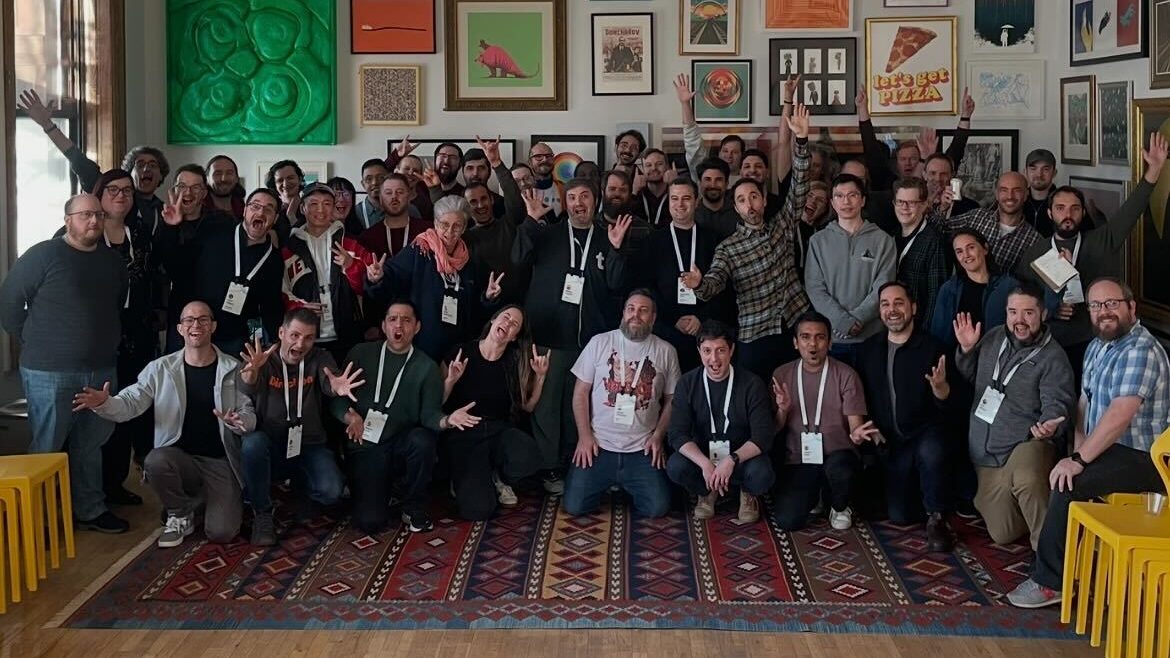
We closed out with a conversation about opportunities and responsibilities in this new era of development. Here’s what stuck with me.
Using AI is like driving a car.
You have a responsibility to be safe, to understand how the tool works, and not to crash. But it also multiplies what you can do. You go much further, much quicker. That’s the framework I use for everything AI now. It’s not about replacing judgment. It’s about extending reach while keeping your hands on the wheel.
You now have a full team.
Developers, designers, product people should think of themselves as architects with entire teams underneath them. Each person on your actual team also has their own team of agents. That’s a dramatic multiplication of output, but more importantly, it should multiply ambition. Tasks that felt impossible two years ago are now easily possible. The old constraints are falling away faster than our intuitions have caught up.
Human expertise becomes more important with AI, not less.
Your engineers know the baggage that comes with the codebase. They know why something was built a certain way, and what constraints shaped it. That understanding prevents AI from going down a wrong path for a month and blowing up when it hits context nobody thought to provide. Leverage that – don’t just ask it to build. Tell it why things exist the way they do.
Stay close to the tools.
The best way to prepare for an unpredictable future is to remain deeply proficient with the technology driving it. Nobody can accurately predict what development looks like in three to five years. But if you understand where these systems fail today, you can intuit where they’re heading. You can start changing how you work before you’re forced to.
Quality cuts both ways.
AI can dramatically improve it. Better tests, better documentation, faster iteration. But it can also blow quality up if used carelessly. Being safe and smart when you drive, relying on the skills and judgment that got your team here, remains essential. The multiplication effect is real. So is the responsibility that comes with it.
Let adoption emerge from the bottom up.
I spoke about this recently on The New Default. Centralized AI platforms tend to fail because they don’t fit actual workflows. The better approach is enablement: help people discover what works for them, then let best practices spread naturally.